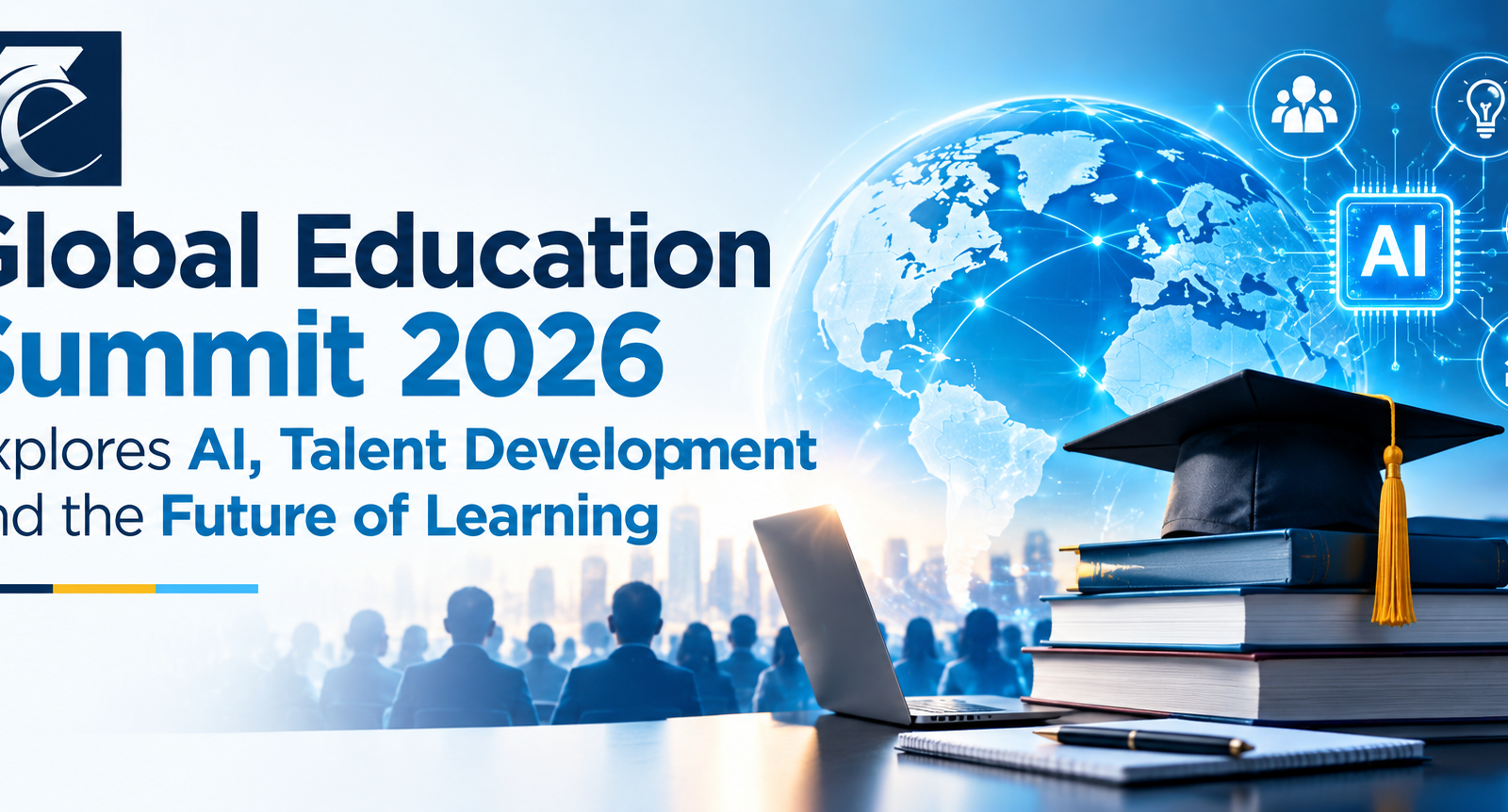

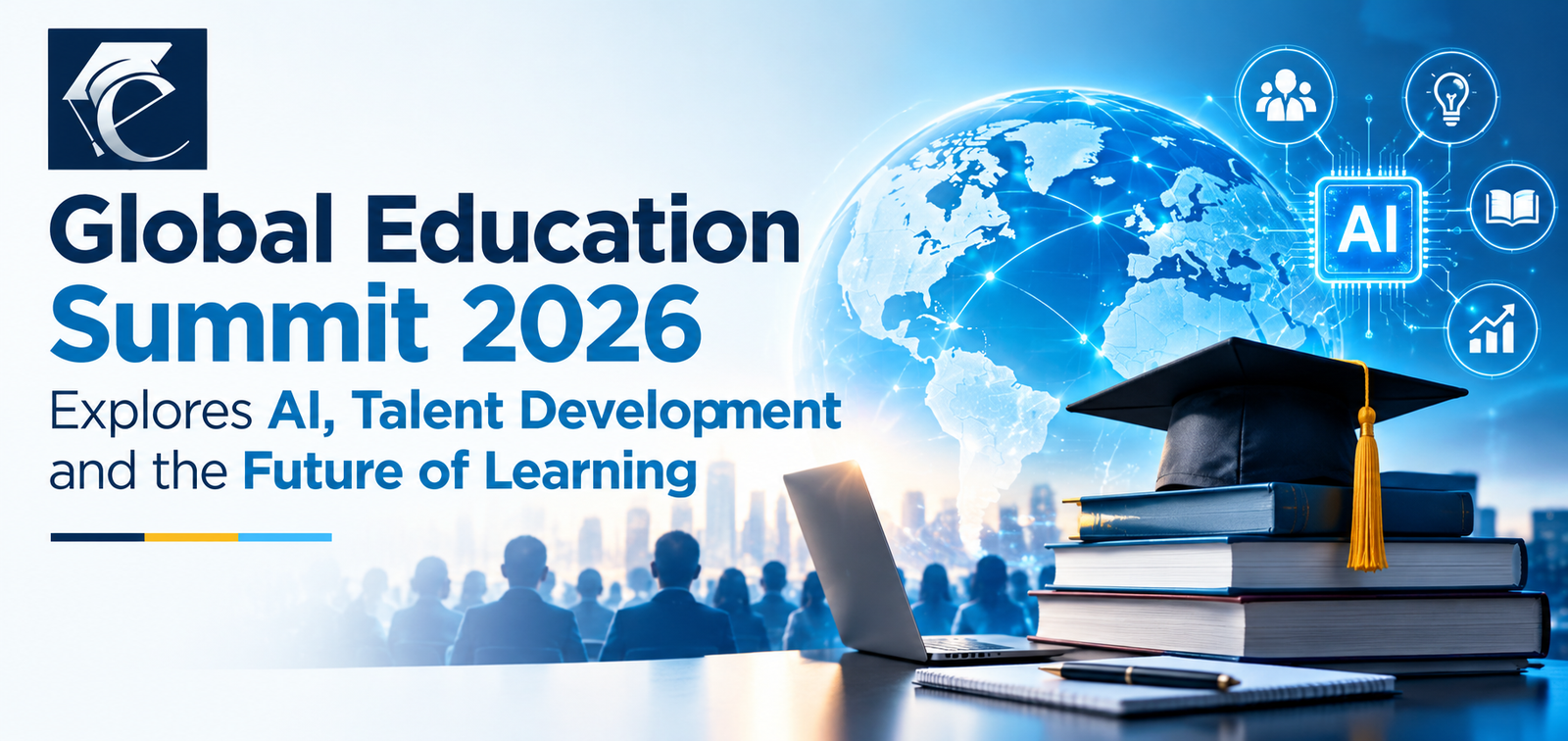
The inaugural Global Education Summit 2026 brought together more than 5,000 policymakers, educators, parents, students, and industry leaders in Hong Kong to discuss the rapidly evolving landscape of education. Co-organized by the South China Morning Post (SCMP) and HSBC Premier, the two-day event focused on some of the most pressing issues facing education today, including artificial intelligence, talent development, and changing academic pathways.
The summit served as a platform for experts from around the world to examine how schools, universities, and governments can prepare future generations for an increasingly technology-driven economy. Participants explored the challenges and opportunities created by AI while discussing new approaches to learning, workforce readiness, and international education.
AI Takes Center Stage at Global Education Summit 2026
AI was one of the key issues brought up at the Global Education Summit 2026 because of the increasing role of artificial intelligence in the spheres of education and employment. At the conference, speakers talked about how AI was changing the face of industries and what would be expected from graduates coming to work.
The experts noted that although AI would take care of many simple tasks, the abilities of a person – creativity, critical thinking, and communication, would still be needed. Much attention was paid to ways of incorporating AI literacy into the curriculum so that learners could also have those skills necessary to exist with AI around.
Moreover, ethical application of artificial intelligence and giving learners the competencies that would allow them to work in the future with AI were also discussed at panel sessions.
Hong Kong Expands STEAM Education Ambitions
One of the significant announcements made at the Global Education Summit 2026 was made by Christine Choi Yuk-lin, Hong Kong’s Secretary for Education, regarding the government’s plans to boost STEAM education.
According to Choi, the target of the government is for 35 percent of all undergraduates at public-funded universities to be studying STEAM subjects in the academic year 2026-2027. Universities will offer new courses such as artificial intelligence, cyber security, data science, sustainable development, and creative industries, among others.
The move is aimed at positioning Hong Kong as a leading innovator, researcher, and developer of talent in Asia. It is believed that increasing STEAM education will meet the requirements of fast-changing industries as well as attract foreign students and collaborations.
Rethinking International Education Pathways
The next significant topic discussed at the Global Education Summit 2026 was the transition from the conventional international education paradigm to something more advanced. It was claimed that the process of studying abroad needs to change from being a one-way process of students’ migration to a two-way process of talent and knowledge exchange.
Education professionals emphasized the need for creating flexible channels through which international students can receive experience abroad while remaining connected to their native countries. Universities are increasingly building up partnerships that will promote cross-border learning and academic mobility.
Such discussions reflected attempts to reform the education system for the global economy where international cooperation is becoming increasingly significant.
Preparing Students for Tomorrow’s Workforce
The attendees of Global Education Summit 2026 frequently highlighted the fact that the qualification acquired during the educational process might not suffice in the future for securing success in the working world. Modern employers look for professionals who can adjust to changes, collaborate with people from other cultures, think critically, and continually improve.
It was emphasized by the experts from industry that many of the jobs that would emerge in the future simply did not exist yet. Educational facilities should not limit themselves to the old-fashioned ways of educating and should try to implement innovative practices.
The summit pointed out the necessity of closer collaboration of educational facilities, governments, and companies.
A Vision for the Future of Education
The first-ever Global Education Summit 2026 brought into focus the dramatic shifts that are occurring in the field of education globally. With topics ranging from artificial intelligence and STEAM education to global talent mobility and lifelong learning, the summit emphasized the increasing need for preparing students to cope with an ever-changing world.
With technology and human-centric education being a delicate balancing act, the summit underscored a universal desire for creating an education system that is adaptable, inclusive, and geared towards the future. Discussions taking place in Hong Kong could very well pave the way for school and university education across the globe in the coming decades.