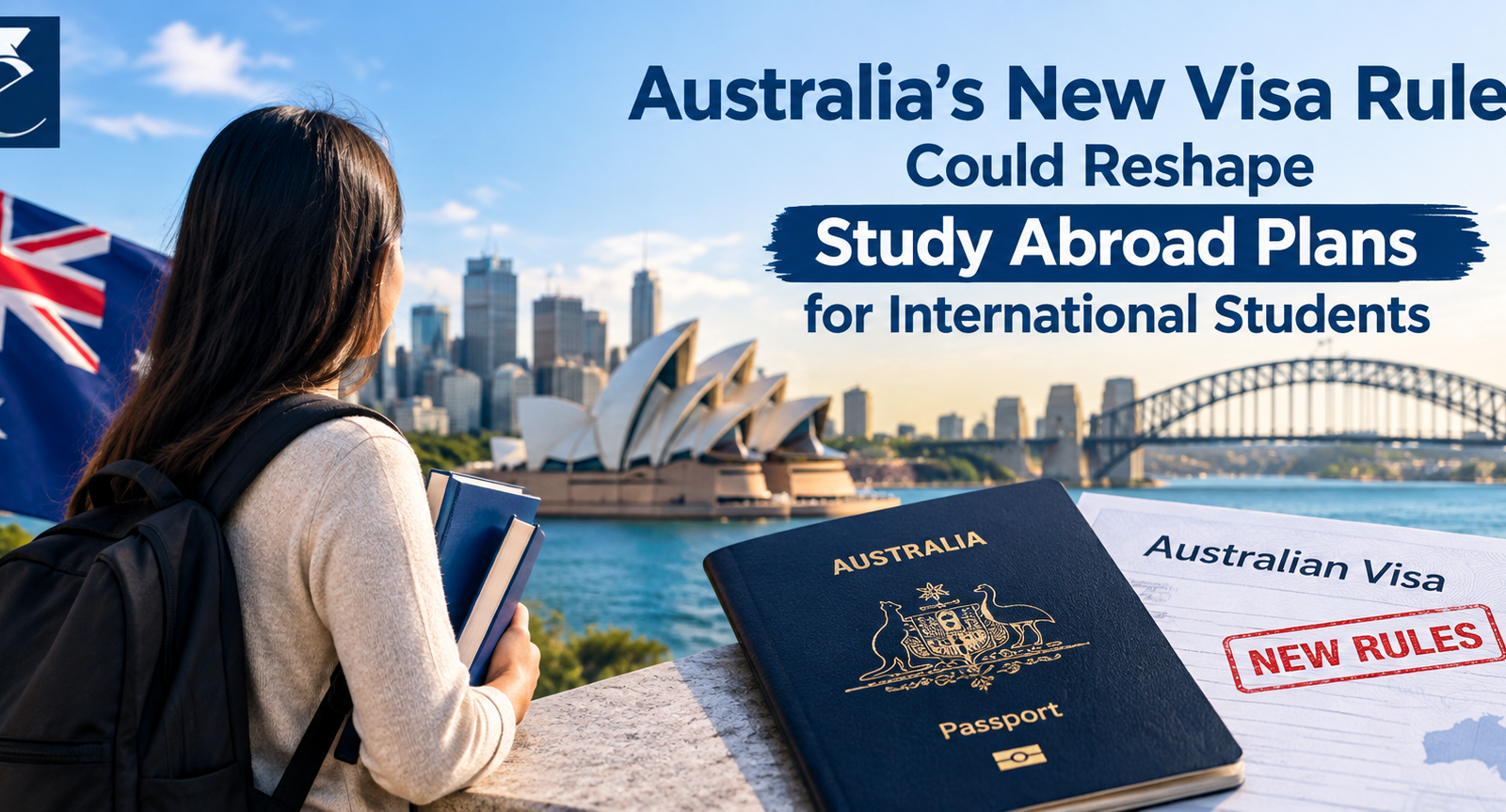

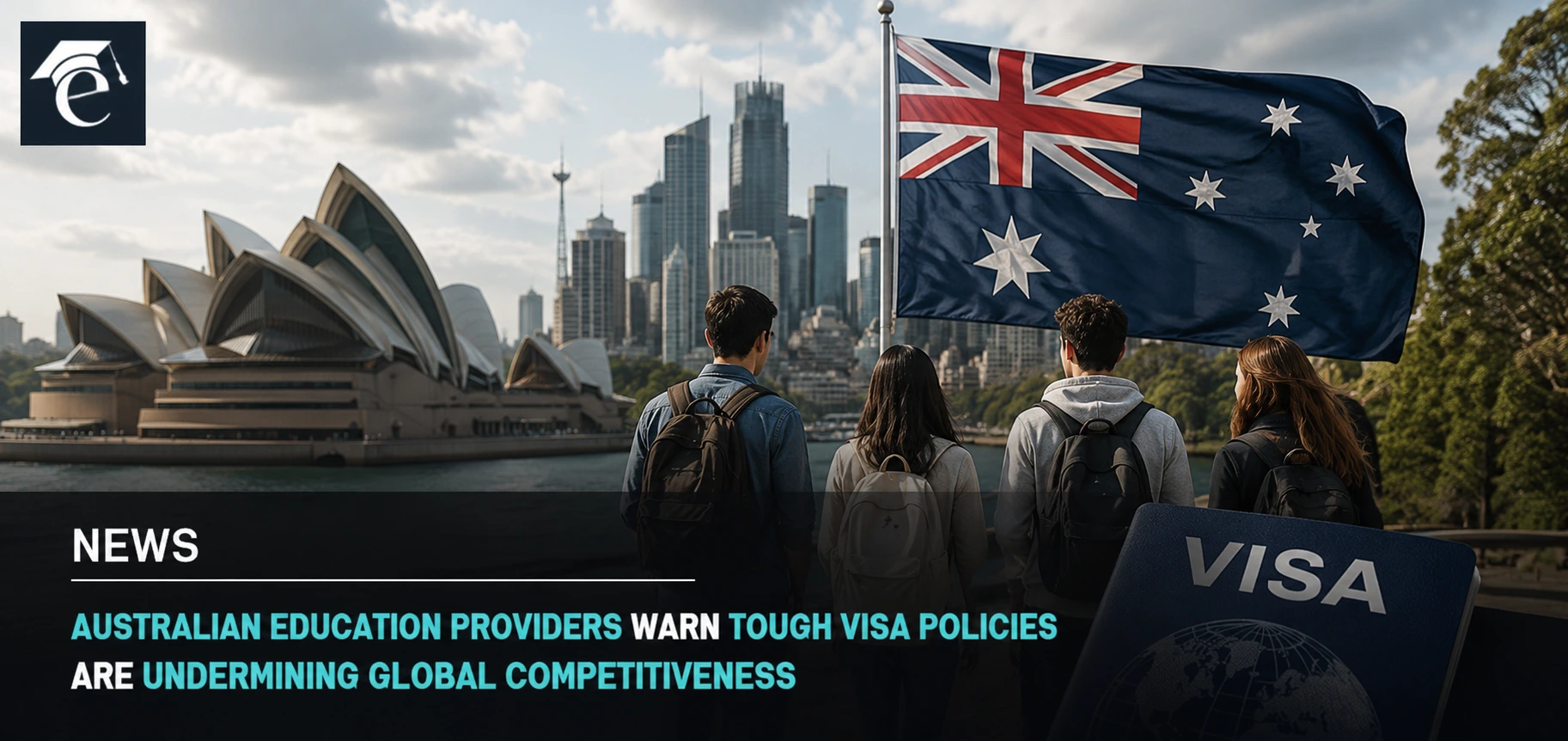
Australia’s English language and vocational education sectors have raised fresh concerns over the country’s tightening immigration framework, warning that recent changes to Australia student visa policy are reversing decades of progress in international education. Industry leaders argue that higher visa refusal rates, rising application costs, and restrictive migration measures are discouraging genuine international students and weakening Australia’s position as one of the world’s leading study destinations.
Education Leaders Sound the Alarm
The criticism came about through The PIE Live Asia Pacific event, whereby participants in the ELICOS and VET industries expressed concern over the Australian government’s policies concerning international education.
According to Ian Aird, CEO of English Australia, the current situation is one where two decades of development have essentially been destroyed.
Aird notes that the English language education industry in Australia took years to develop a reputation that was globally recognized, but now that reputation has been threatened by stricter Australia student visa policy settings and reduced confidence levels among students.
Visa Refusals and Rising Costs Add Pressure
The key problem highlighted by education providers is the increasing refusal of student visas in conjunction with rising visa fees.
Australia Student (Subclass 500) visa fee will rise from $2,000 to $2,500 as of July 2026, making the system one of the most expensive student visa systems compared to other international study locations. While ELICOS students had an opportunity to get a discount of $2,050, the representatives of the education sector say that even this is substantially more expensive than what is charged by competitors for equivalent courses
Competition from Other Study Destinations
The industry leaders indicated that the international education competitors for Australia such as Canada, the UK, Ireland, New Zealand, and the US are becoming increasingly appealing options.
Even though Australia has made its Australia student visa policy stricter, the competing nations are continuing to attract international students by keeping their visa costs low and by providing clear immigration routes.
Industry leaders stressed that there are increased options for international students today and certainty in terms of policies as well as low costs is an important factor for choosing a destination country.
Managed Growth Strategy Faces Backlash
While the program is being revived, there is not much interest on the part of students in studying in Russia. There are various issues that contribute to this problem, such as the weakened yen, increased cost of education abroad, as well as safety concerns due to the war in Ukraine.
According to them, tougher evaluations would mean that the visas will be issued only to bona fide students and also facilitate sustainable migration numbers.
Nevertheless, the education industry is of the opinion that the way in which the Australia student visa policy is implemented has overstepped its boundaries and is affecting bona fide students as well.
It is generally believed that rebuilding confidence would need transparency, uniformity in decision-making and effective consultations between the two sides.
ELICOS and VET Sectors Feel the Greatest Impact
Compared to all other levels of education, ELICOS institutions and vocational colleges claim that their enrollment has fallen the most.
English language courses offered by ELICOS institutions are often the gateway into universities and vocational colleges for foreign students. Given the relatively short duration of such courses, providers have always maintained that fees for visas should be commensurate to the course’s duration
However, instead, there have been drops in enrollments due to stringent visa processes and rising costs. Statistics released by the government reveal that ELICOS and vocational college enrollments have been on a decline while universities have been performing comparatively well.
Industry Calls for Policy Stability
The education authorities are now encouraging the government to collaborate with the industry more before implementing any more immigration policies.
This is because international education is seen to be one of the best export products of Australia, providing employment to many and earning millions of dollars each year for the Australian economy.
What providers need is not any more changes in policy but a predictable Australia student visa policy that will maintain the visa integrity as well as the competitiveness of Australia as an education destination.
Many organizations feel that visa differentiation for short courses should be extended further.
Outlook
Increased criticisms from Australia’s English language and vocational education sectors have emphasized the fine line between immigration integrity and the ability to sustain a globally competitive education industry.
Despite the government’s determination to tighten Australia student visa policy under the immigration program, education providers have expressed concern about the potential negative effects of ongoing uncertainty, increased expenses, and stringent approvals on the image of Australia as a favored study abroad destination. Finding the right balance between strict scrutiny and sector development will probably be one of the greatest challenges facing Australian education policies in the coming years.