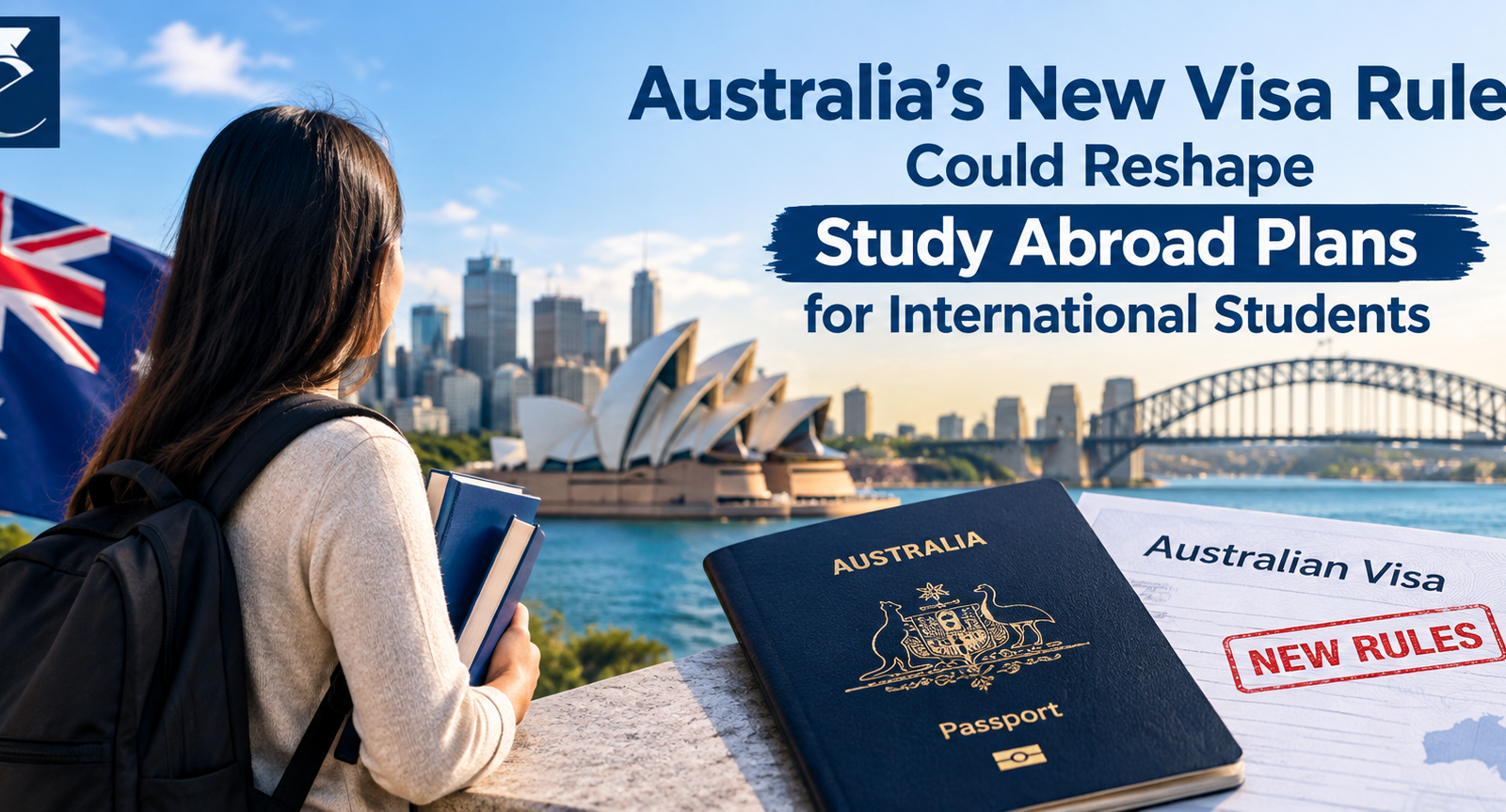

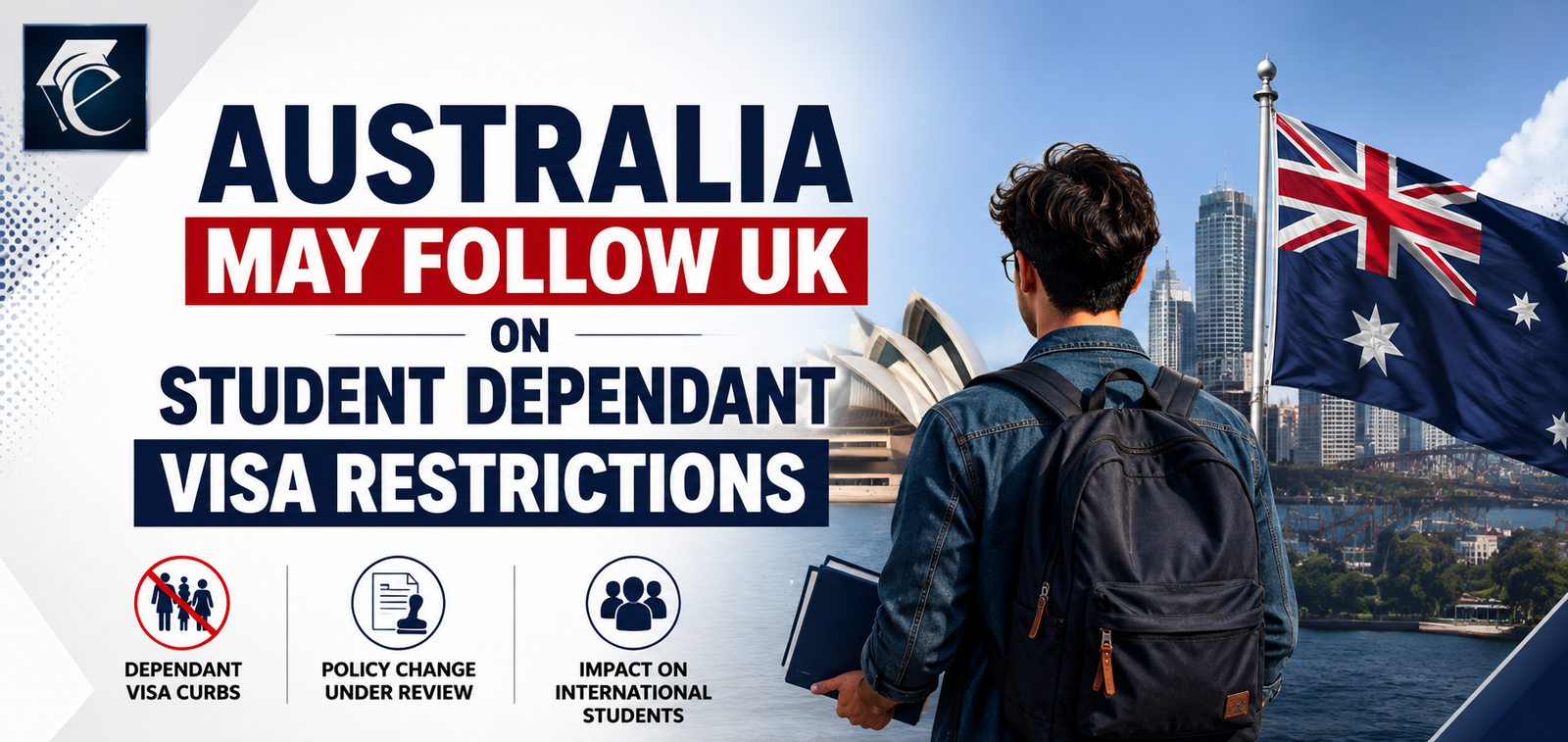
Australia’s international education sector is facing fresh uncertainty as policymakers consider tighter migration controls, including potential restrictions on family members accompanying international students. The debate has intensified following similar measures introduced in the United Kingdom, prompting concerns that an Australia student dependant visa ban could become a reality in the near future.
Education leaders have warned that such a move could significantly affect Australia’s attractiveness as a study destination, particularly for mature students and postgraduate researchers who often relocate with spouses and children. According to sector experts, discussions surrounding an Australia student dependant visa ban are part of broader efforts to manage migration and address concerns about housing, infrastructure, and visa system integrity.
UK Policy Sparks Debate in Australia
The debate became heated when the UK began to take more action to tackle migration of international students. Many changes have been made on visas and supervision of international students due to worries about excessive migration and misuse of visas.
Australian policymakers are closely monitoring the impact of these reforms. Advocates of an Australia student dependant visa ban argue that limiting accompanying family members could help reduce migration numbers without significantly cutting student enrolments. Critics, however, contend that such policies risk damaging a sector that contributes billions of dollars annually to the Australian economy.
International Education Under Increasing Scrutiny
Australia has already put into place several policies in order to regulate migration and ensure that its international education sector is not compromised. Some of the recent changes in this regard include increased visa application charges, tougher visa assessment processes, immigration risk rating revisions, and even policies targeted towards education agents and non-genuine enrolments.
In view of this, Australia student dependant visa ban may just be another step in the same direction. In fact, government policies and statistics confirm that the use of student visas for educational purposes is going to remain the top priority of the government.
Impact on Universities and Students
Educational institutions fear that the introduction of Australia student dependant visa ban will affect its competitiveness against other destinations for studying abroad. Many graduate students and PhD students select study destinations considering the possibility of relocating with their families.
Educational organizations believe that such a move can reduce the number of top-notch students who might apply for long-term studies. The institutions are afraid of losing financially, because international education is one of the major exports of Australia.
Students from India, Nepal, Pakistan, Bangladesh and some African countries will be among the main targets in case of new rules. These countries are key sources of international student enrollments in Australian educational institutions.
Migration Pressures Drive Policy Discussions
Those who favor stricter regulations cite increased numbers of migration, lack of housing, and strain on the infrastructure of the country as grounds for reform consideration. Political officials have said that relatives of international students form part of the overall numbers of migration and should therefore be included in the overall strategy for reducing the number of migrants.
This discussion on the introduction of a ban on the Australia student dependant visa reveals a balance between striving for the competitive education industry in the global market and dealing with issues at home.
What Happens Next?
As of right now, there have been no announcements regarding the banning of student dependants in Australia. The existing regulations on the student visa allow certain individuals who meet the eligibility criteria to bring along their partners and dependent children under certain conditions.
On the other hand, the emerging political discussion reveals the possibility of making certain adjustments in the international education policies of the country. Given that migration policies become more and more relevant, one can expect further attention from the government towards this issue.
The banning of the Australia student dependant visa ban at the moment is merely a matter of discussion. Nonetheless, it raises much concern within the field of education due to the clash between the goals of migration control and international student attraction by Australia.