

The field of education is always developing due to technological changes, the expectations from the modern labor market, and pedagogical innovations. Education establishments are no longer only concerned with providing information but preparing students for critical thinking, problem-solving, cooperation in intercultural environment and the fast-changing future world. Along with using novel technologies and approaches to education, the education leaders have to ensure quality, accessibility and good condition of their students.
Education trends 2026 show a more individualized, technology-empowered, and skill-oriented educational system than ever before. From artificial intelligence to lifelong learning, these trends transform classrooms and our understanding of success in education.
Artificial Intelligence Becomes a Learning Partner
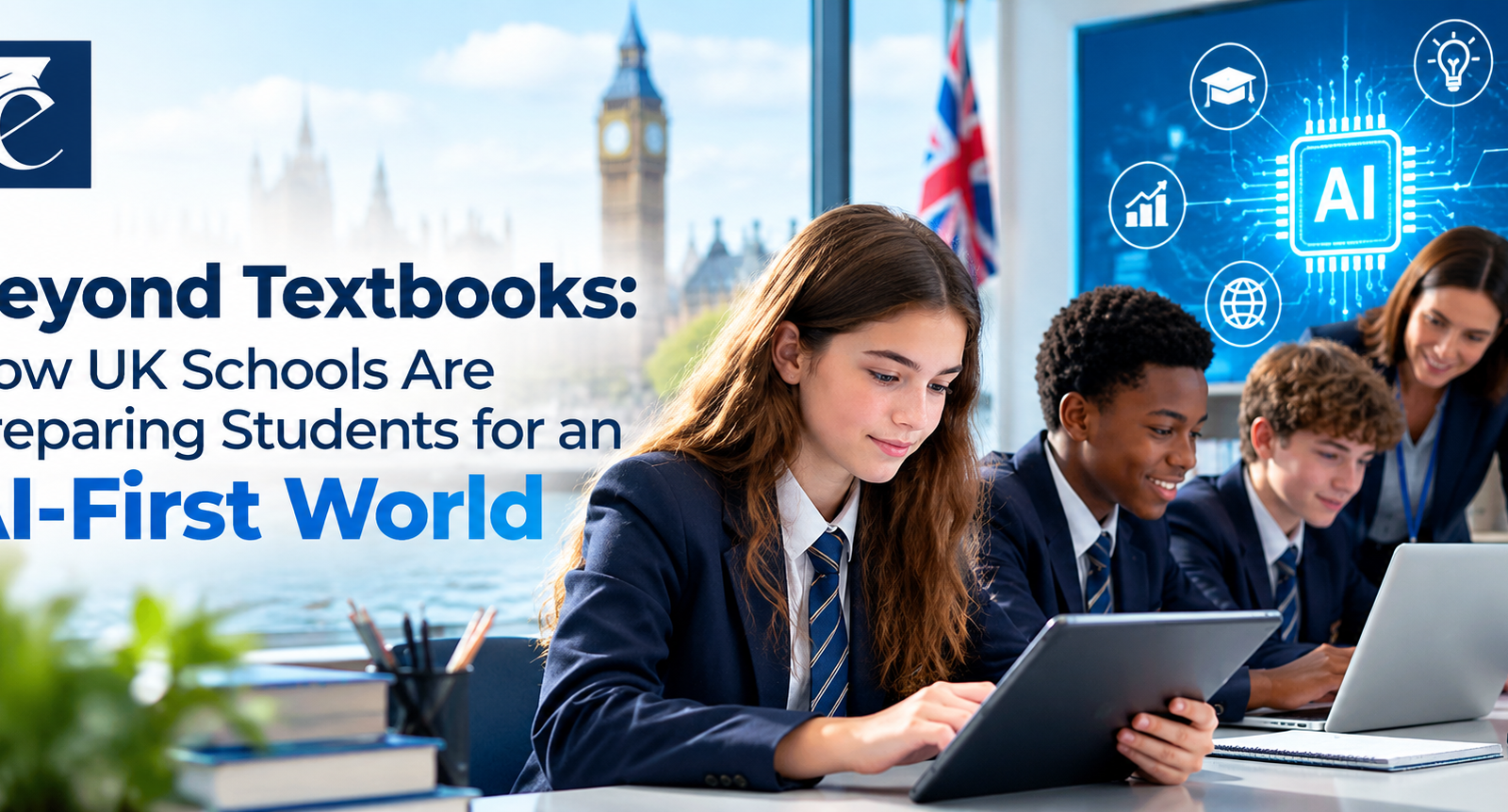
The field of artificial intelligence has evolved from mere automation of administrative tasks to being an active learning guide. Artificial intelligence tutors not only offer personalized tutoring services but also help in finding gaps in learning and recommending suitable sources for learning.
Teachers are employing the use of artificial intelligence in lesson planning, automating assessments, and analyzing student performance. The implementation of artificial intelligence is helping teachers devote their time to mentoring the learners and fostering creativity among them.
As schools integrate AI responsibly, one of the education trends every school should know in 2026 is that successful implementation depends on combining technology with strong pedagogical practices rather than relying on automation alone.
Personalized Learning Takes Center Stage
Pupils no longer learn in the same way or at the same speed. Schools are starting to understand the value of personalized learning in terms of making pupils more engaged and achieving more academically in the long run.
Modern online educational tools adapt lessons depending on how a particular pupil is doing, letting pupils move at their own pace and giving them support where necessary. It allows for accommodating individual learning styles and increases learners’ ownership over the process.
Educators also get help in understanding which pupils need further interventions in real time.
Skills-Based Education Gains Momentum
While academic success still matters, employers nowadays attach more importance to transferable skills in addition to subject-specific expertise.
The ability to communicate, collaborate, think critically, adapt quickly, show emotional intelligence, and find creative solutions to problems have become crucial elements of any educational curriculum. Project-based learning, interdisciplinary work, and practical application of knowledge are being introduced by educational establishments to equip their graduates for their future professions.
This is because education should not just help pass exams but also meet the demands of ever-changing workplaces.
Digital Well-Being Becomes a Priority
The benefits brought about by technology have been many, but so have the problems associated with excessive screen time, mental well-being, and distraction caused by technology.
Institutions of learning are taking measures that are geared towards ensuring that learners are equipped with knowledge on how to use technology healthily.
Media literacy, cyber safety, responsible use of AI, and digital engagement are among such approaches.
Smarter Management Through Data
In Education management today, there is an increasing emphasis on the utilization of data for better decision-making in various aspects of education and administration.
Data is used by school administrators for such tasks as analyzing attendance figures, assessing the performance of students, resource allocation, optimal staffing, and continuous improvement. This will facilitate planning based on facts as well as adaptability to changes in education.
Good Education management also enhances communication among teachers, parents, and administrators.
Hybrid Learning Continues to Mature
Rapid growth in online education revealed that learning is possible outside physical classrooms. Hybrid methods emerged not to replace the classroom approach but to blend the best of both worlds.
Students receive more freedom while teachers have more teaching resources at their disposal. Virtual labs, simulations, digital collaboration platforms, and lectures available on video provide a supplement to classroom studies without losing personal contact with students.
One of the future of learning: key education trends to watch in 2026 is the continued refinement of hybrid education into a permanent component of modern learning.
Sustainability Becomes Part of Education
Learning institutions have come to acknowledge the role of preparing learners to face environmental and societal problems.
Sustainability is now going out of science departments to become part of learning institutions dealing with business, engineering, architecture, economics, and public policies. Institutions of learning are also introducing sustainability on their campuses, environmental projects, and engagement in the community where learners can implement the knowledge they learn in class.
Such education creates responsible citizens and understanding of the connection between innovations, economy, and the environment.
Lifelong Learning Becomes the New Standard
The process of learning is no longer completed on graduating from school. Today, it is common for people who have graduated to visit colleges and other educational institutions to upgrade themselves.
Colleges are responding to this need by developing more flexible programs such as micro-credentials, executive training, online courses, and modules that can be taken by people who work.
This is an indication that learning is now seen as being necessary for success in both one’s life and career.
Global Collaboration Enriches Learning
Developments in digital communication technology have made it possible for students and faculty to interact across national boundaries without even leaving the classroom.
Cross-boundary research initiatives, online exchange programs, international guest lecturers, and collaborative problem-solving exercises provide students with exposure to different perspectives while building cultural awareness.
Such activities prepare the graduates for the modern workplace that requires cross-border interaction on a regular basis.
The future of learning: key education trends to watch in 2026 also highlights the growing importance of international partnerships that expand educational opportunities while encouraging innovation across institutions.
Preparing Education for Tomorrow
Transformation in the educational system cannot be considered solely through the introduction of technological changes. Learning spaces should be made adaptable to students’ and educators’ growing needs.
One of the education trends every school should know in 2026 is the necessity to innovate through deliberate leadership, professional development, and readiness to change old practices without forgetting about the essence of education.
Those schools and universities that will succeed will be the institutions that will manage to unite technology and human touch, data analysis and wise decision making, innovation, and academic excellence. Thus, following the above-mentioned emerging trends and keeping up the high standards of teaching, the learning institutions will be prepared for a future full of opportunities and responsibilities.
Also Read :- Future Careers Unlocked: Exploring AI Related Jobs Across Industries
FAQ
1. What is the impact factor of the Trends in Higher Education journal?
The impact factor of the Trends in Higher Education journal is a metric that measures the average number of citations received by articles published in the journal. Since impact factors are updated annually, readers should check the journal’s official website or recognized indexing databases for the latest value.
2. What are the biggest current issues in education in 2026?
The biggest education issues in 2026 include AI integration in classrooms, learning gaps, teacher shortages, student mental health, digital equity, cybersecurity, curriculum modernization, and preparing students with future-ready skills.
3. What are the major global trends in higher education?
Major global trends in higher education include artificial intelligence in learning, hybrid and online education, international collaboration, sustainability initiatives, micro-credentials, lifelong learning, skills-based education, and increased use of data analytics to improve student outcomes.
4.What are the top education trends in America in 2026?
The leading education trends in America in 2026 include AI-powered learning, personalized education pathways, hybrid learning models, skills-based education, mental health support, STEM and digital literacy expansion, and career-focused learning programs.
5.What are the key highlights of the OECD Digital Education Outlook 2026?
The OECD Digital Education Outlook 2026 emphasizes the growing role of artificial intelligence (AI), digital literacy, personalized learning, and data-driven education in improving teaching and learning outcomes. It encourages education systems to invest in teacher training, responsible AI adoption, cybersecurity, and equitable access to digital tools so that all students can benefit from technology. The report also highlights the importance of balancing innovation with privacy, ethics, and inclusion, ensuring that digital transformation supports better educational outcomes rather than simply increasing technology use. Schools, colleges, and policymakers are encouraged to build future-ready learning environments that prepare students with the digital and critical thinking skills needed for the modern workforce.
6.What is the impact factor of the Trends in Higher Education journal?
The impact factor of a journal measures how often its published articles are cited in other scholarly research, making it one indicator of academic influence. If you’re looking for the impact factor of Trends in Higher Education, check the latest edition of the Journal Citation Reports (JCR) or the journal’s official website, as impact factors are updated annually and may change over time. Keep in mind that while the impact factor is useful, researchers should also consider factors such as peer-review quality, indexing, relevance to their field, and the journal’s overall reputation before choosing where to publish.