- March 25, 2026

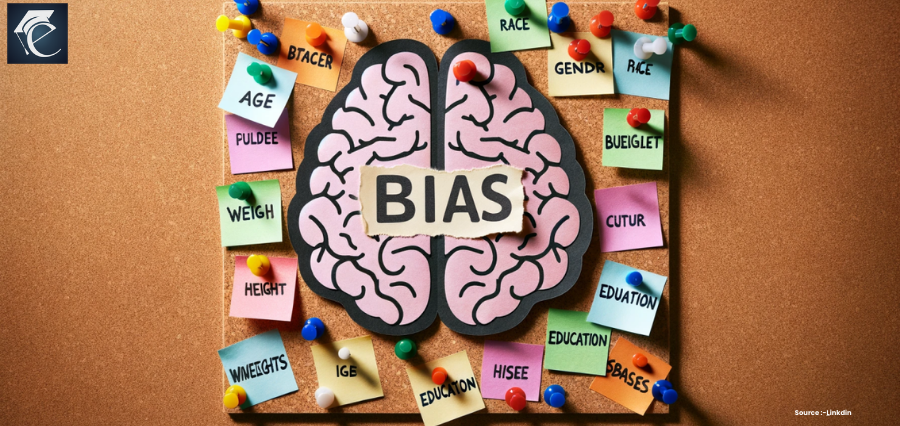
Across workplaces and
communities, Women Development continue to move through systems that often underestimate,
overlook, or undervalue them. Yet within these constraints emerges a remarkable
form of intelligence shaped by resilience and refined by experience. When opportunities
are unequal, women learn to read environments with sharp intuition, communicate
with clarity, and lead with empathy and foresight. What begins as a response to
bias grows into a powerful set of cognitive skills that transform challenges
into catalysts for exceptional leadership. These abilities are neither
accidental nor innate. They are developed through the daily practice of
navigating barriers, advocating for fairness, and striving for excellence in
spaces that demand more while offering less. This is brilliance born not from
ideal conditions but from perseverance in the face of imbalance.
One
of the most profound cognitive strengths women cultivate in unequal systems is
strategic awareness. Inequity forces a deeper understanding of context, power
dynamics, and unspoken expectations. Women Development learn to observe what is said and
what is left unsaid, to recognize subtle shifts in tone, and to anticipate
obstacles before they appear. This awareness is not simply emotional
sensitivity. It is a complex analytical skill that blends social intelligence
with strategic thinking. Because women often find themselves needing to prove
competence repeatedly, they become adept at assessing risk, preparing
thoroughly, and adapting quickly. They read rooms the same way analysts read
data, identifying patterns, forecasting outcomes, and adjusting approaches to
ensure progress. Strategic awareness becomes a survival mechanism that evolves
into a leadership advantage.
In environments shaped by
bias, empathy becomes a powerful cognitive tool rather than a personality
trait. Women learn to understand diverse viewpoints because they often sit at
the intersection of multiple expectations. They must negotiate their own voice
while considering how it will be received and interpreted. This constant
calibration sharpens the ability to understand intentions, motivations, and
perspectives. Empathetic reasoning enables women to lead with fairness, engage
teams more effectively, and build trust within organizations. It also enhances
conflict resolution because it allows them to navigate disagreements with
clarity and compassion. Far from being a soft skill, empathy becomes a
strategic asset that strengthens decision-making and fosters collaborative
success.
Unequal environments
rarely offer a single clear path forward. As a result, Women Development learn to pivot
effortlessly, reassess their approach, and remain solution-oriented even when
circumstances shift unexpectedly. Cognitive flexibility allows women to innovate
within constraints and create opportunities where none seem to exist. It also
cultivates resilience. When the rules are inconsistent, women learn to respond
with creativity rather than defeat. They adapt while staying aligned with
long-term goals, which gives them the ability to operate effectively in
changing markets and uncertain environments. This type of flexibility is a
leadership strength that helps organizations remain agile, forward looking and
prepared for disruption.
Bias often challenges
women to communicate with heightened clarity. They learn to express ideas with
precision, support arguments with evidence, and ensure that their contributions
hold weight in conversations where they may be interrupted or overlooked. This
cultivates exceptional communication skills marked by thoughtfulness,
structure, and impact. Women also develop a heightened sense of audience
awareness, tailoring messages to ensure understanding across cultures, levels,
and functions. Over time, the need to advocate for themselves and for others
strengthens their ability to present persuasively, negotiate effectively, and
lead dialogue with confidence.
Studies have shown that
women often feel pressure to outperform to receive equal recognition. While
this expectation is unfair, it contributes to a skill set defined by thorough
preparation, consistent excellence, and sharp analytical thinking. Women learn
to verify facts, perfect their craft, and deliver results that stand beyond
scrutiny. Double competence creates leaders who are deeply knowledgeable,
methodical, and highly reliable. Although it stems from systemic inequity, it
produces professionals who operate at an elite level and elevate the standards
of the teams they lead.
Unequal systems require
women to reflect deeply on choices, consequences, and long-term implications.
They learn to evaluate decisions from multiple angles, considering not only the
outcome but also the narrative surrounding it. Reflective decision making
strengthens judgment and develops leaders who act with intention rather than
impulse. It also fosters an ethical mindset that prioritizes fairness,
transparency, and responsibility. Women who navigate bias with reflection
become leaders who bring depth, wisdom, and balance to organizational
decision-making.
Also Read :- Education Excellence Magazine For more information