
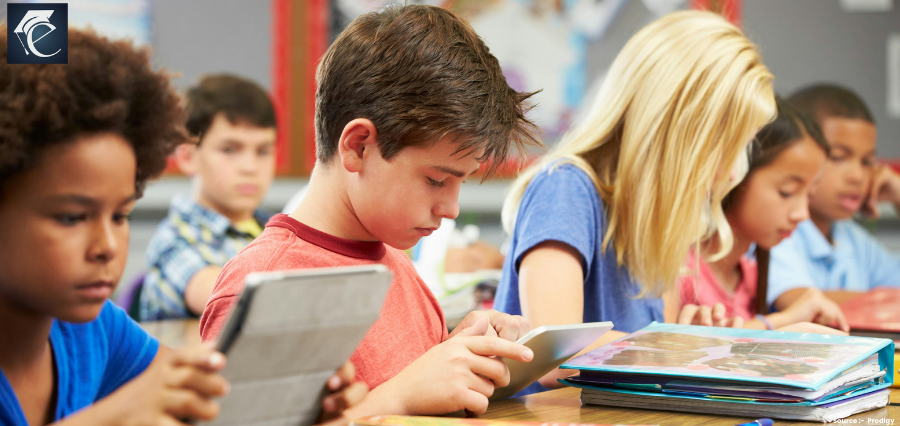
More and more, education systems around the world are asking if traditional learning that focuses on tests really gets students ready for real-life problems. For many years, standardized tests and final exams have been the main ways to measure success in school. Exam-Oriented Learning are a good way to test knowledge, but they often put memorization ahead of understanding. Competency-based education, on the other hand, focuses on skills, use, and mastery. This change shows that more and more people believe that learning should help students not only pass tests but also think critically, adapt, and solve problems in the real world.
Comprehending Exam-Oriented Learning
The goal of exam-oriented learning is to get high scores on tests. The way the
curriculum is taught, the way teachers teach, and the way students study are
all often focused on getting ready for tests. Students focus on recalling
information, practicing sample questions, and mastering exam techniques. While
this approach can encourage discipline and structured study habits, it often
limits deeper understanding. Learning becomes focused on the end result instead
of the process, which makes people less curious and creative.
A lot of focus on tests can make schoolwork very stressful. Students may feel
stressed, anxious, and afraid of failing, especially when their grades affect
their chances of getting into college or getting a job. This pressure can
discourage risk-taking and independent thinking. Students may focus on what is
likely to be on tests instead of thinking about new ideas. Over time, this way
of thinking can lower intrinsic motivation and make learning less fun.
Exams show how well a student did at a certain time, but they don't always show how good a student really is. Things like test anxiety, different ways of learning, and outside factors can all affect the results. Tests don't always test practical skills, communication skills, teamwork, and moral reasoning. Because of this, traditional testing systems may not give enough credit to students who are good at solving problems in the real world.
Competency-based education is more about learning specific skills and areas of
knowledge than finishing a set curriculum in a set amount of time. Students
move forward by showing that they understand and can use what they've learned.
Students can learn at their own pace because the learning is tailored to them.
This method focuses on being able to think critically, solve problems, work
with others, and change. Instead of just final exams, assessment is ongoing and
based on performance.
Competency based education aligns learning with real world needs. Students
apply concepts through projects, case studies, and practical tasks. This method
helps people remember and stay interested. Students gain confidence when they
see how what they learn applies to real life. Education becomes more meaningful
and interesting when it focuses on outcomes and skills.
Teachers play a transformative role in competency-based education. They are not
just people who give out information; they are also facilitators and mentors.
Students can figure out what they are good at and what they need to work on
with regular feedback. Teachers help students learn and think about what they
learn. This relationship builds trust and helps people grow in all areas of
their lives.
Transitioning to competency-based education presents challenges. It needs
changes to the way the curriculum is made, how teachers are trained, and how
tests are given. It can be hard and take a lot of time to measure competencies.
There may also be pushback from stakeholders who are used to traditional tests.
Making sure that all institutions are fair and consistent is still a big
concern.
Education systems need to change as economies change, and workplaces need
people who can learn new things. Employers are putting more value on
communication, problem-solving, and teamwork than on rote knowledge.
Competency-based education addresses these needs by preparing students for
lifelong learning. It encourages adaptability and resilience, qualities
essential in a rapidly changing world.
Also Read :- Education Excellence Magazine For More information